



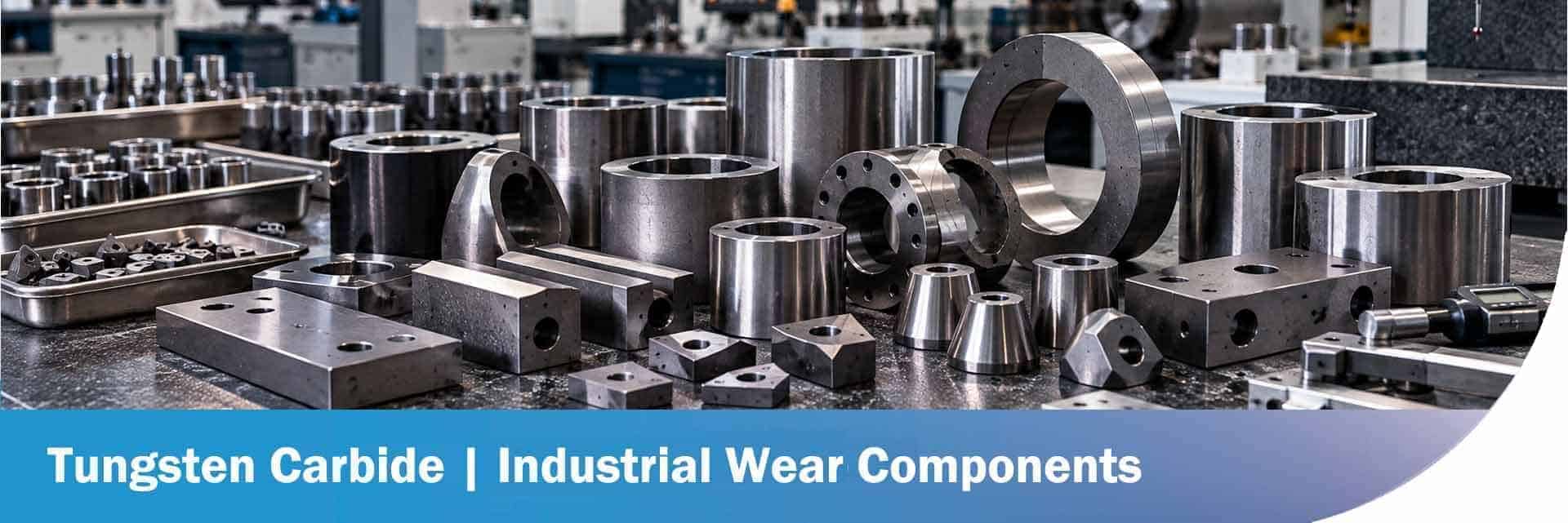
Across heavy industries, critical components are exposed to severe abrasion, erosion, impact, sliding wear, and mechanical loading. These conditions can cause rapid material loss, dimensional change, frequent replacement, and unplanned downtime.
EnduraCarbide Solutions engineers application-specific tungsten carbide wear components based on actual wear mechanisms, operating conditions, and component requirements. By applying carbide protection where wear is most severe, we help extend component service life, maintain critical dimensions, and improve equipment reliability.
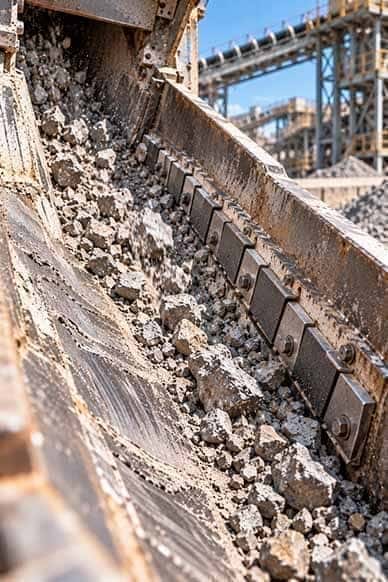
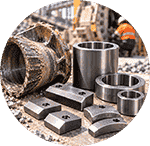
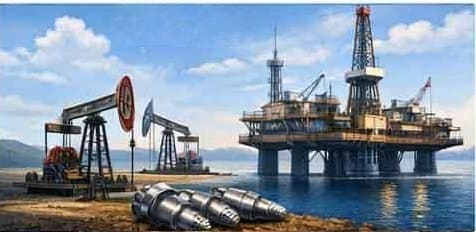
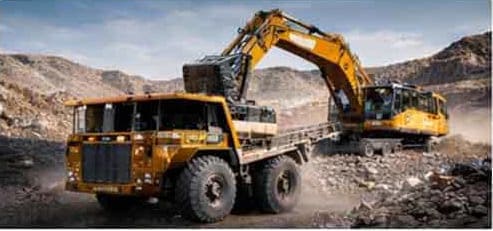
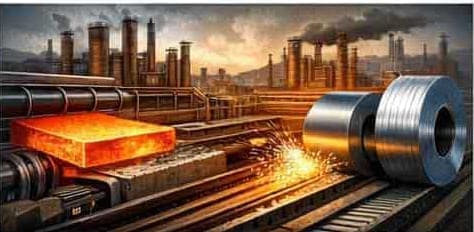
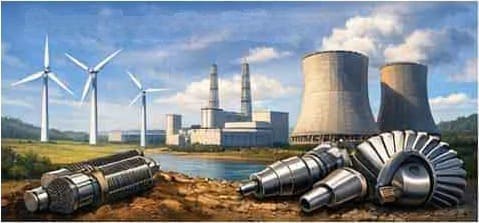
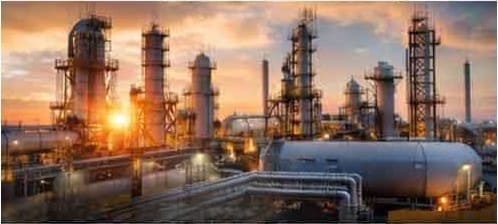
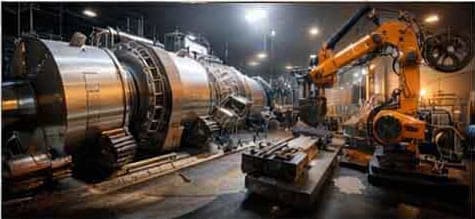

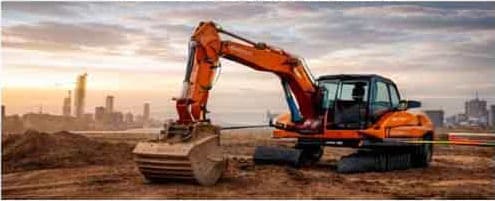
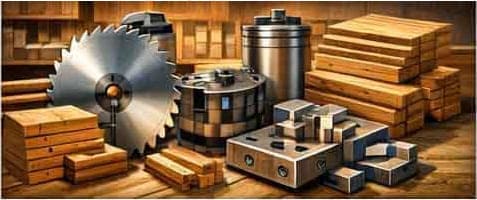
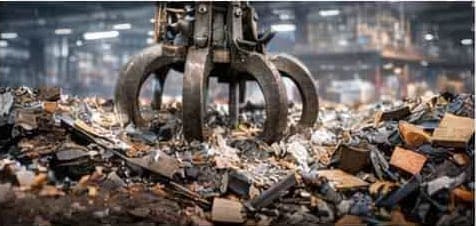
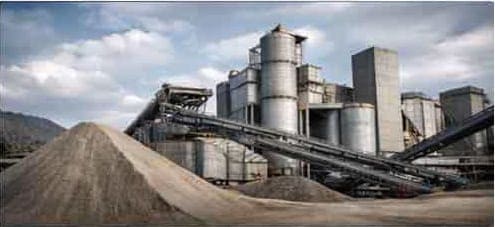
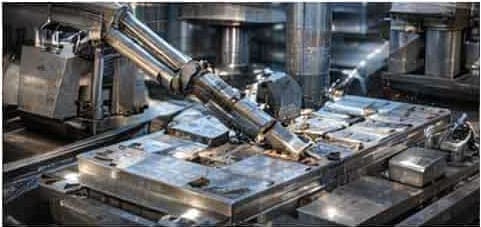
High-wear conditions are defined by the wear mechanisms and operating conditions affecting each component. Abrasion, erosion, impact, sliding contact, elevated temperatures, corrosive media, and mechanical loading may occur individually or in combination. Effective carbide solutions require evaluation of the dominant wear mechanism, operating environment, component geometry, loading, and dimensional requirements before selecting the appropriate carbide grade and component design.
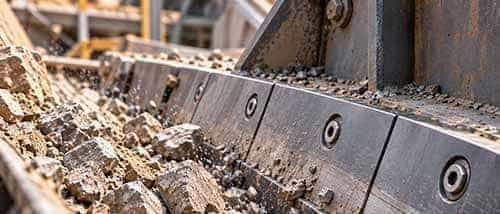
Hard particles, rough surfaces, and repeated sliding contact can progressively remove material and alter critical component dimensions.
Typical applications:
Engineering focus: Carbide hardness, grain size, binder content, surface finish, and component geometry selected according to abrasion severity and mechanical loading.
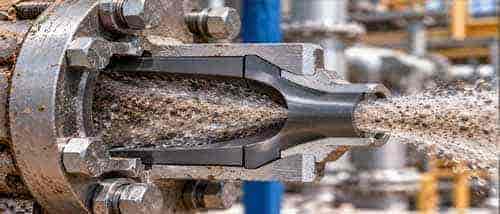
High-velocity particles or particle-laden fluids can progressively erode exposed surfaces, edges, and flow paths.
Typical applications:
Engineering focus: Erosion-resistant carbide grades, critical flow-path geometry, surface finish, particle characteristics, velocity, and impact angle.
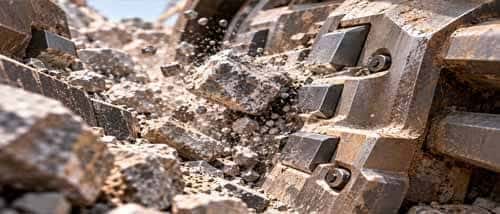
Repeated impact, shock loading, and high contact forces can cause chipping, cracking, deformation, or accelerated wear in inadequately selected materials.
Typical applications:
Engineering focus: Application-specific balance of hardness, toughness, compressive strength, carbide grain size, binder content, and component geometry.
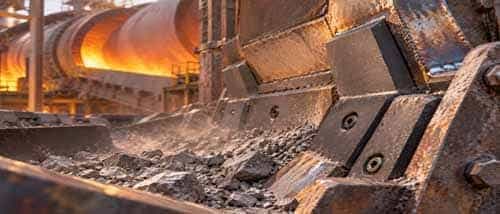
Elevated temperatures, thermal cycling, oxidation, and mechanical loading can accelerate wear and affect material performance in high-temperature service.
Typical applications:
Engineering focus: Operating temperature, thermal cycling, oxidation environment, binder system, carbide grade, mechanical loading, and component design.
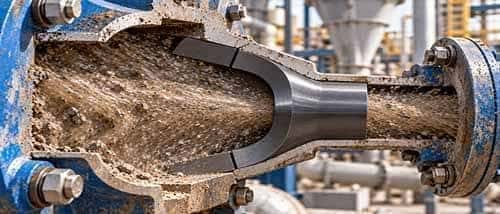
Abrasive solids suspended in liquids can produce combined abrasion and erosion, often accompanied by corrosion, cavitation, or localized high-velocity wear.
Typical applications:
Engineering focus: Carbide grade and binder selection based on particle size, solids concentration, flow velocity, corrosion conditions, mechanical loading, and component geometry.
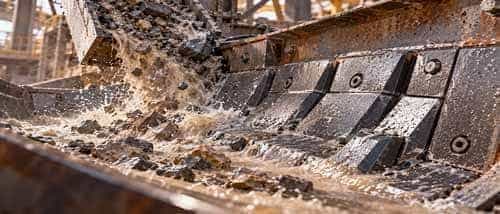
Many severe-service applications involve multiple wear mechanisms acting simultaneously—for example, abrasion combined with impact, erosion combined with corrosion, or mechanical loading combined with elevated temperatures.
Typical applications:
Engineering focus: Identification of the dominant and secondary wear mechanisms, followed by application-specific carbide grade selection, geometry optimization, tolerances, surface requirements, and component design.
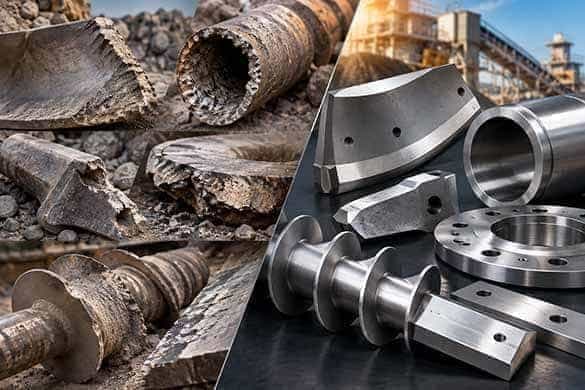
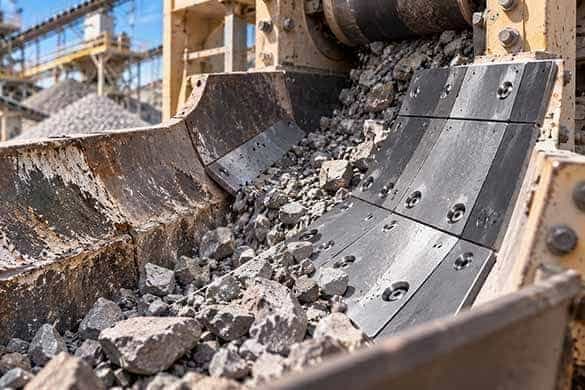
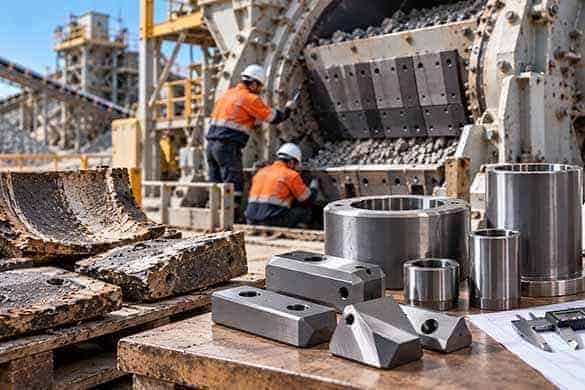

Every application presents different wear and loading conditions. Our engineers evaluate abrasion, erosion, impact, sliding wear, mechanical loading, temperature, geometry, and dimensional requirements to recommend an appropriate carbide grade and component design.
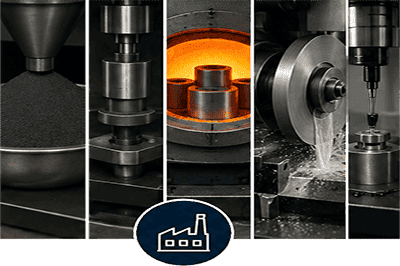
We use 100% virgin tungsten carbide raw materials with no recycled carbide content. In-house control of powder preparation, milling, pressing, sintering, precision grinding, EDM, finishing, and inspection helps ensure consistent microstructure, dimensional accuracy, and repeatable quality.
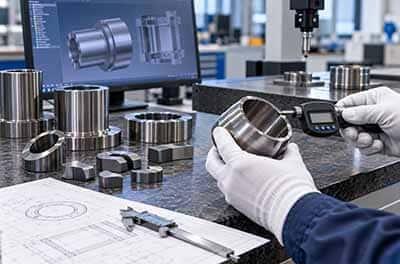
With more than 30 years of manufacturing experience and ISO 9001 and ISO 14001 certified production, we support OEMs, equipment manufacturers, and industrial users with engineering assistance and custom carbide components manufactured from drawings, samples, and specifications.